
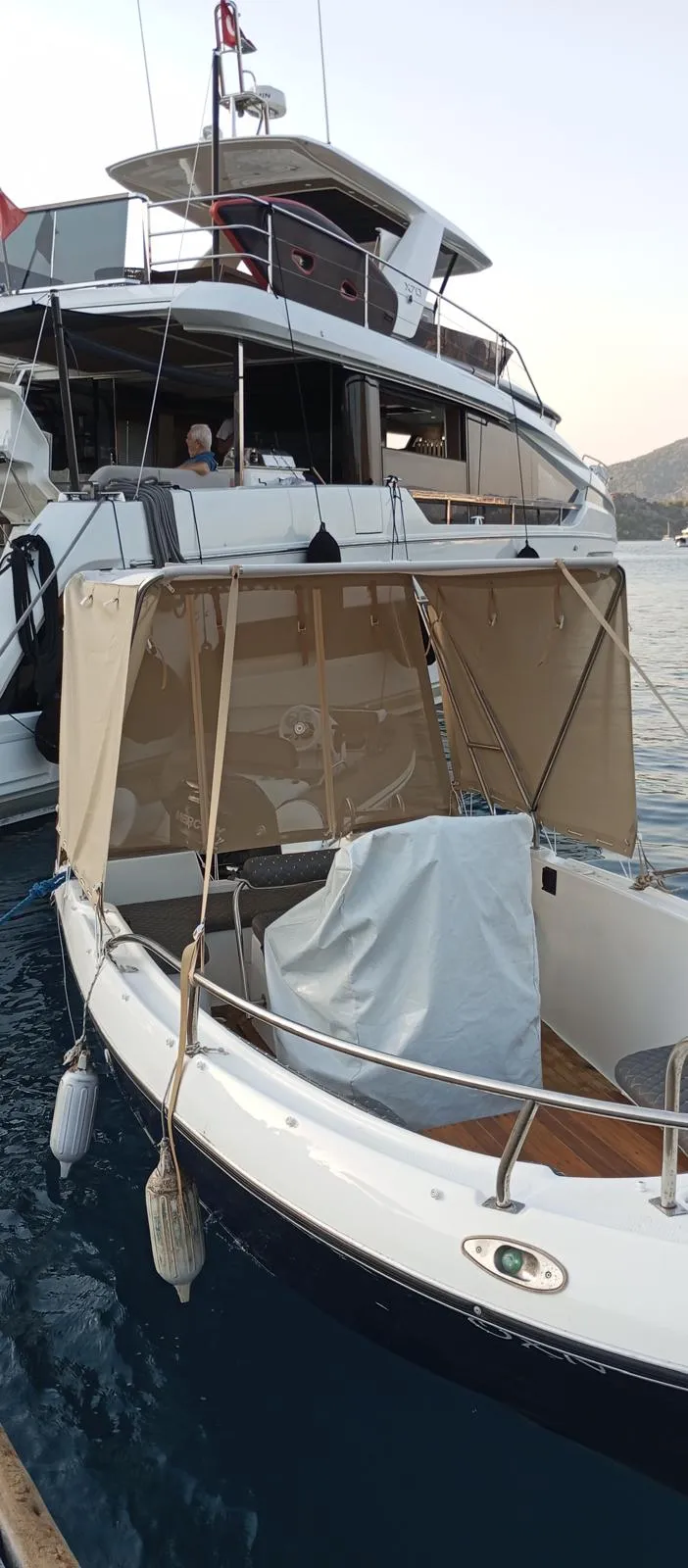
Mesh shading at the stern
A mesh shade surface with light edging across the boat’s rear opening. The position and edge fit of the shade surface can be seen on the boat.
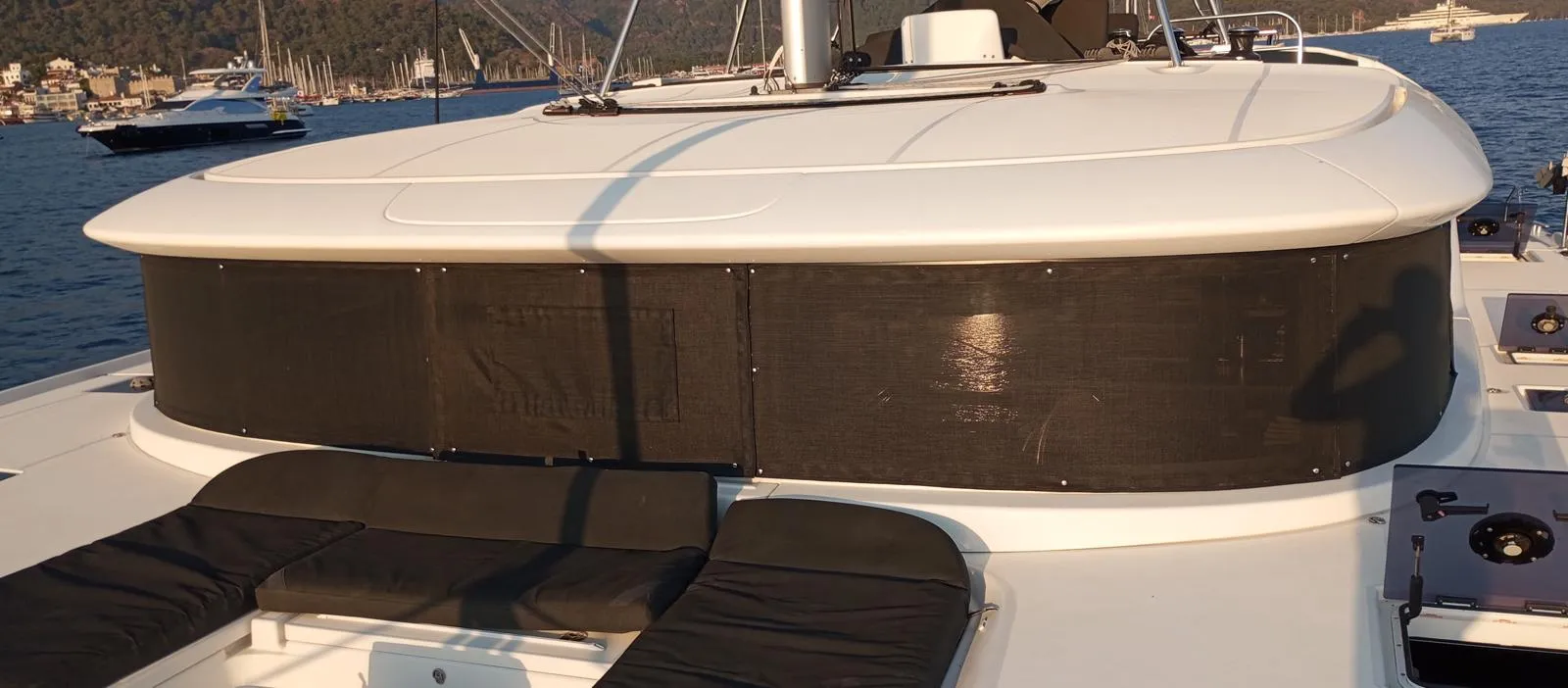
Stay connected to the view.
Often called “fayfır” in Turkish marine use, mesh sunshades are an option for reducing exposure while retaining a visual connection with the surroundings. Fabric openness and installation position both influence the result.
An open-weave shade and a solid weather cover serve different purposes. Mesh allows air passage, but should not be treated as a barrier that stops all rain. Material selection begins with understanding that distinction.
Weave density, colour and the direction of light affect visibility. Daytime privacy may change after dark when lights are switched on inside. Viewing a sample under realistic lighting helps make the choice more informed.
Cockpit sides, seating areas or exterior window positions can be considered according to need. Removability, zips, fixing arrangements and the space needed when folded are planned together.
The local term fayfır may refer to different mesh products. Brand, range, weave and technical values must be verified for the selected material. This general overview does not promise a particular brand or a fixed UV rating.
Material information has been checked against the technical guidance below. Follow the current technical and care instructions for the selected product. References do not imply a brand partnership.
Phifer — Exterior Solar Shade Materials ↗RELATED PROJECTS
15 images · Select an image to view the details.
A mesh shade surface with light edging across the boat’s rear opening. The position and edge fit of the shade surface can be seen on the boat.
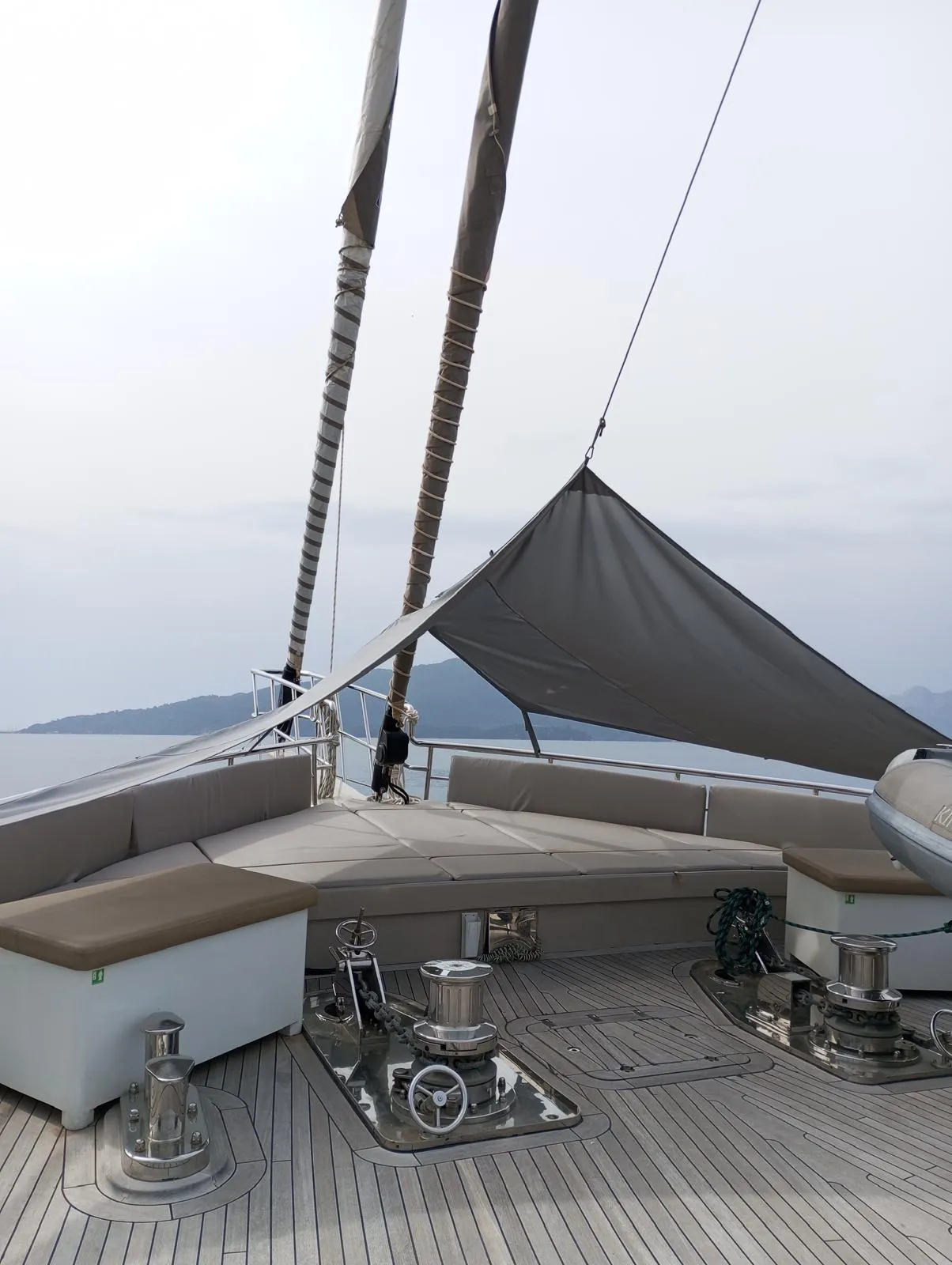
A dark triangular shade tensioned above a foredeck seating area. The position and edge fit of the shade surface can be seen on the boat.
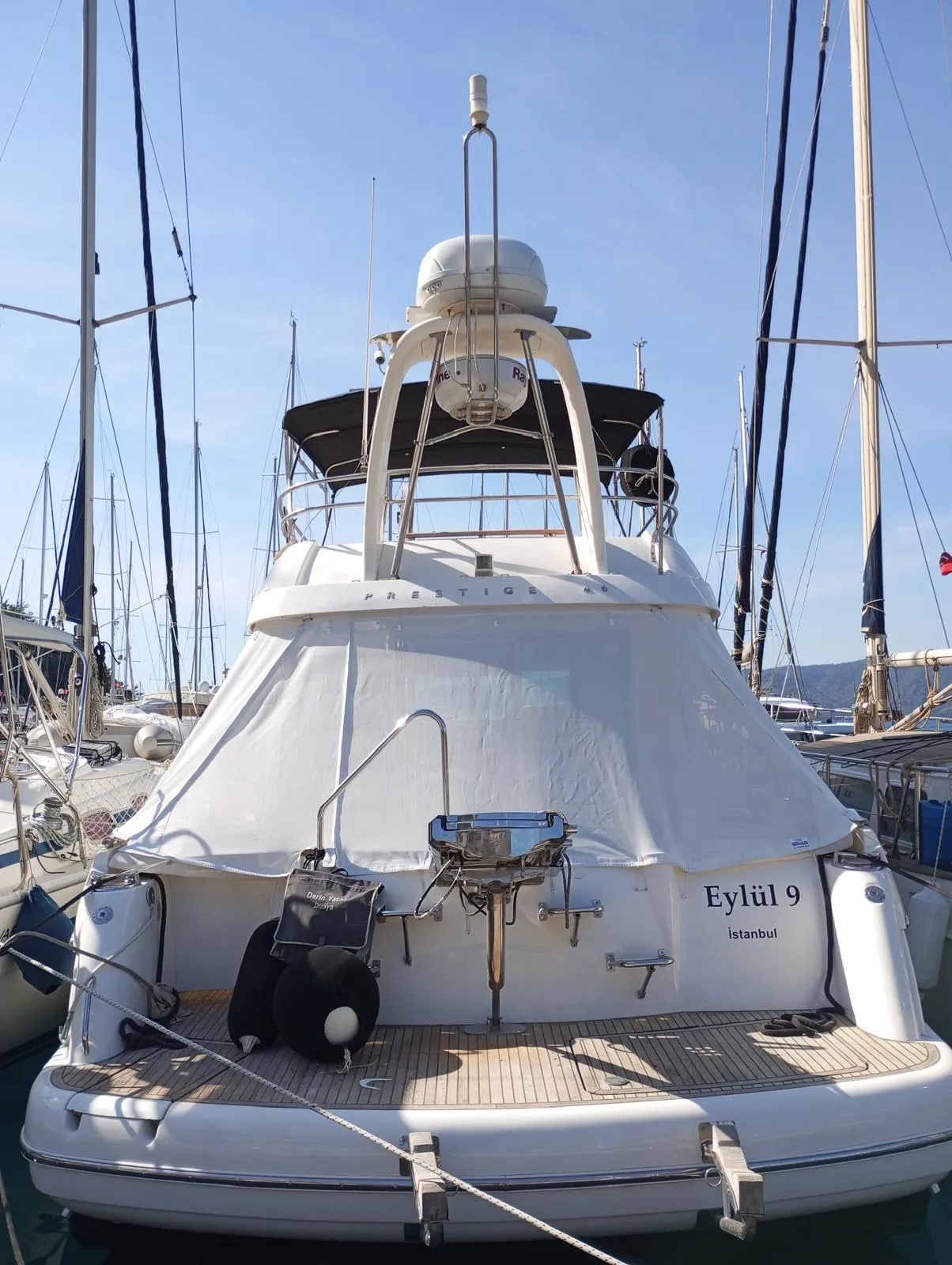
Light fitted shade panels over the outer windscreen surfaces of a motor yacht. The position and edge fit of the shade surface can be seen on the boat.
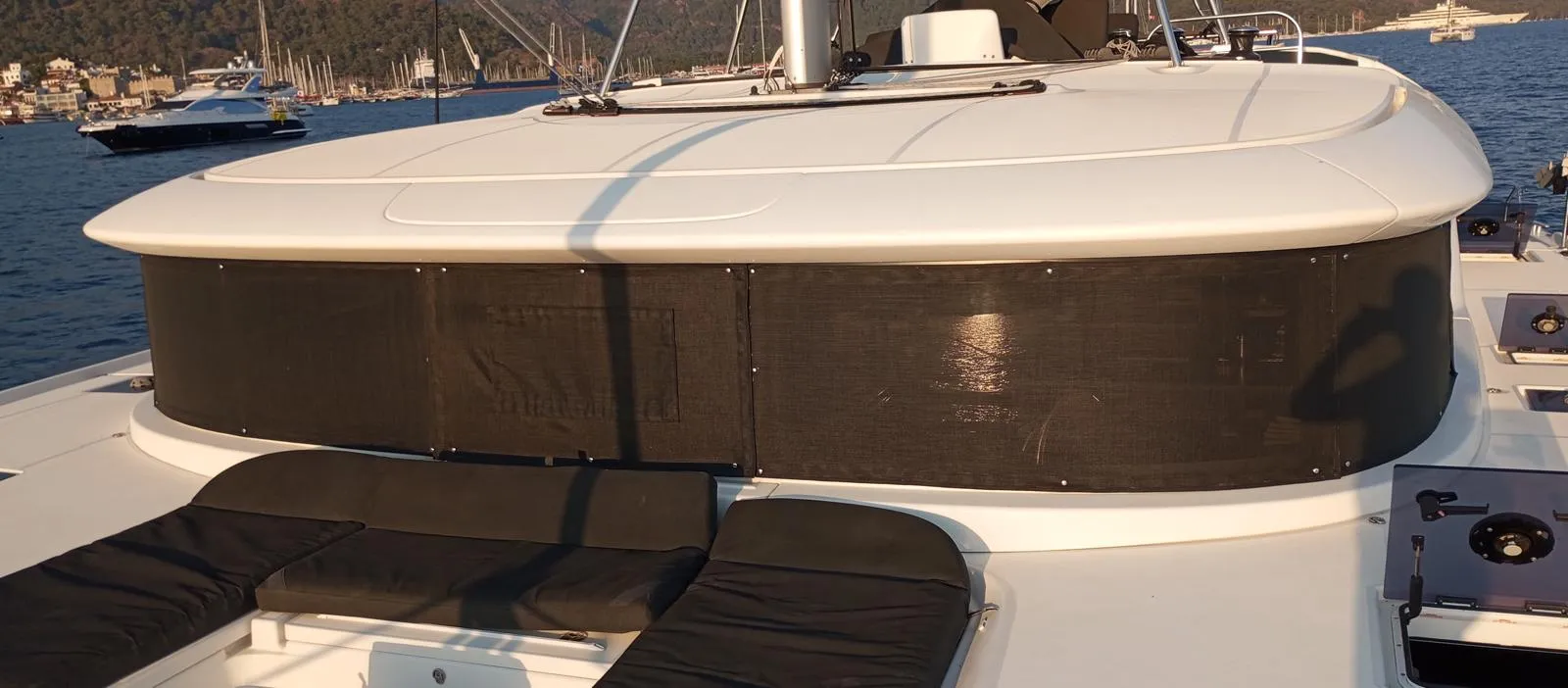
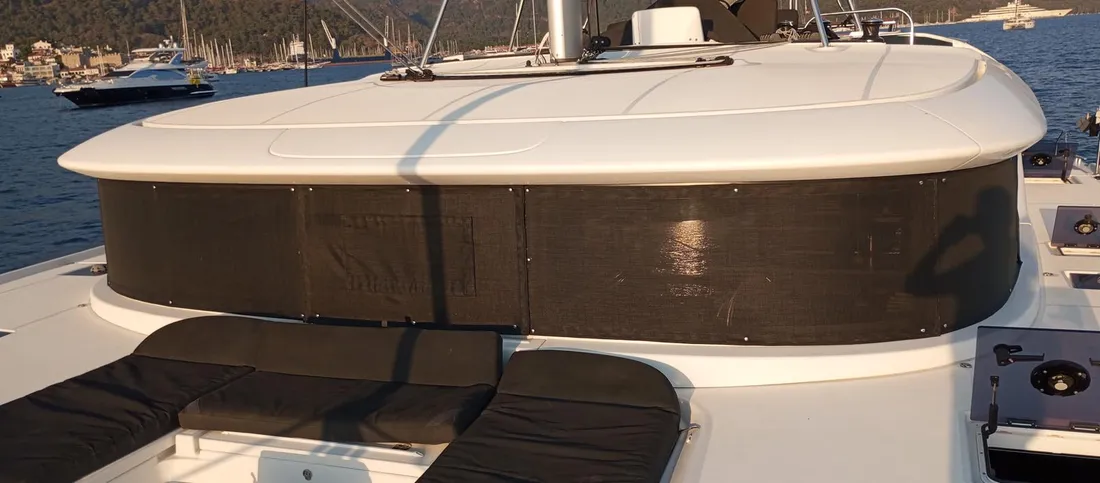
A dark mesh sunshade following the wide curved windscreen of a boat. The position and edge fit of the shade surface can be seen on the boat.
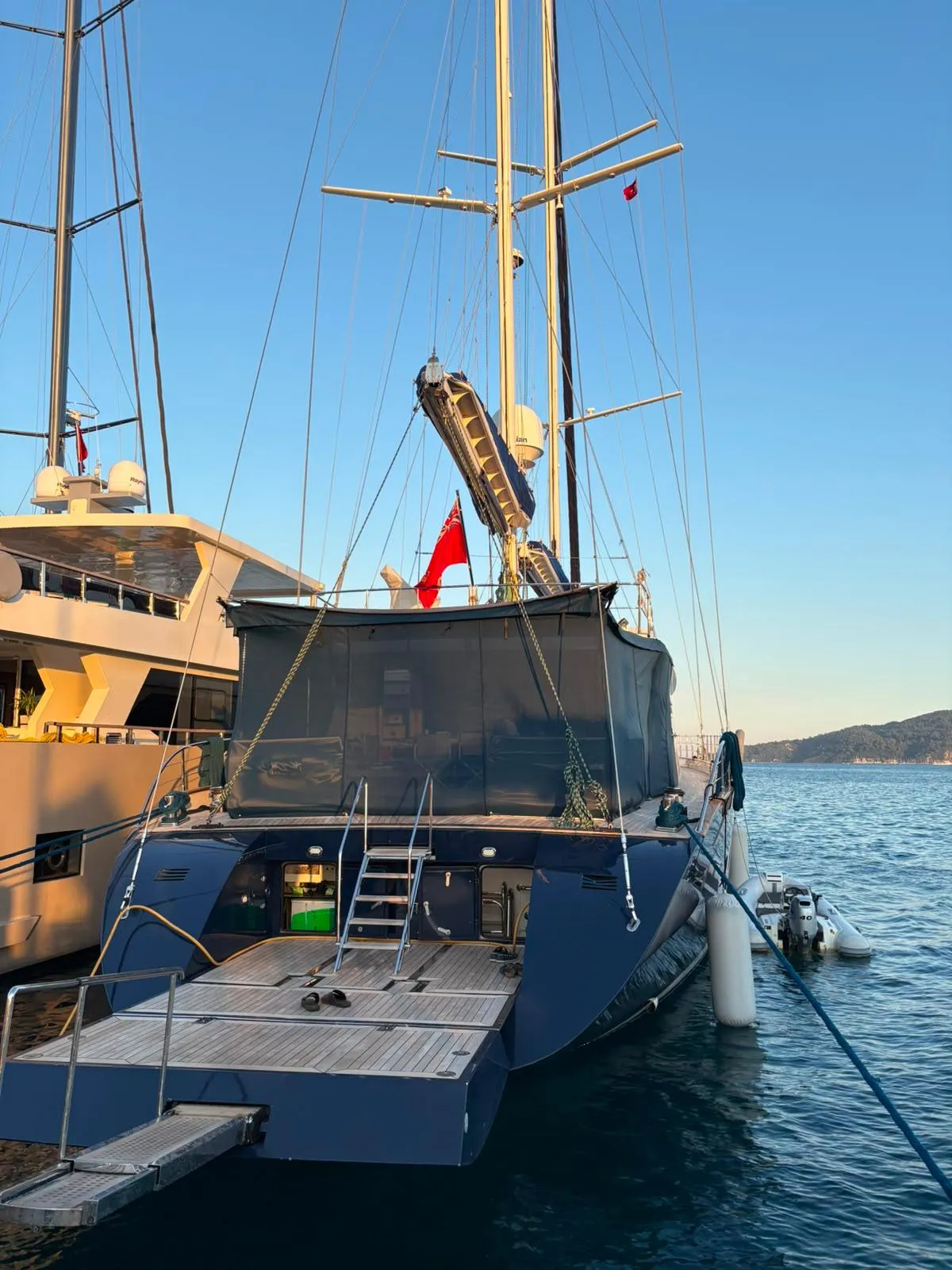
A stern view of dark mesh panels around the aft seating area of a sailing boat. The position and edge fit of the shade surface can be seen on the boat.
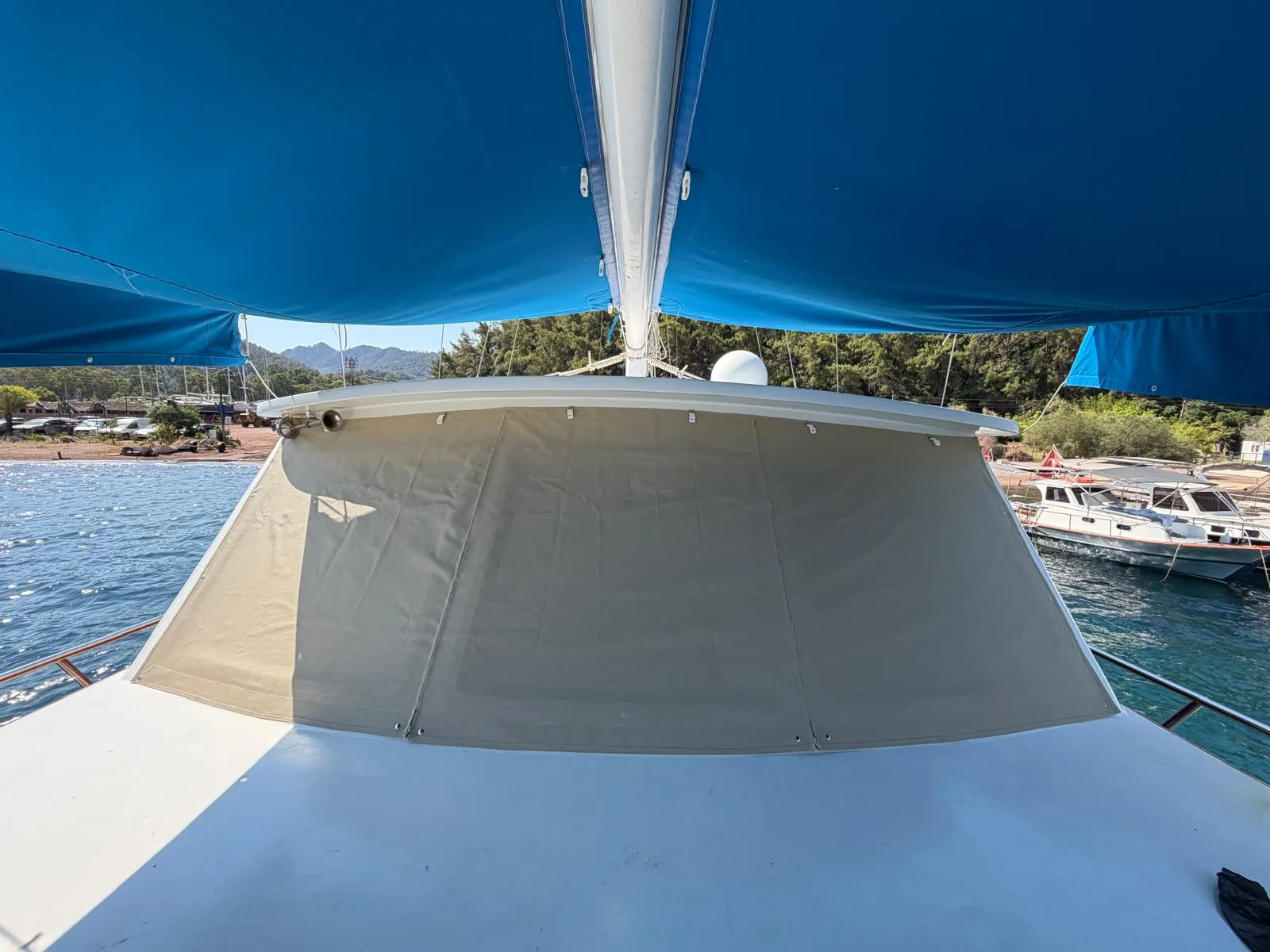
A light fitted windscreen shade beneath a blue canopy. The position and edge fit of the shade surface can be seen on the boat.
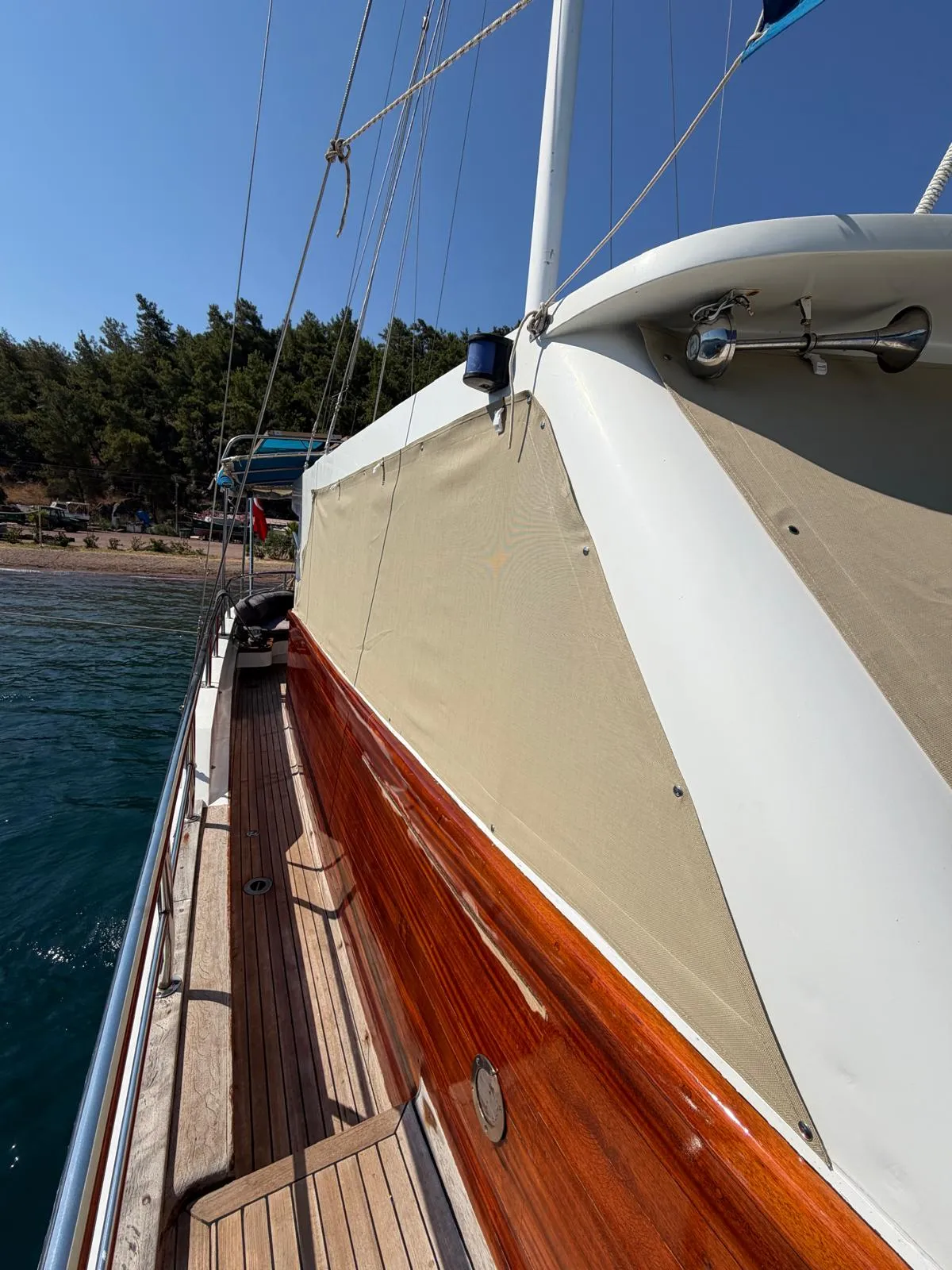
Light shading over side windows with a visible edge attachment beside wood trim. The position and edge fit of the shade surface can be seen on the boat.
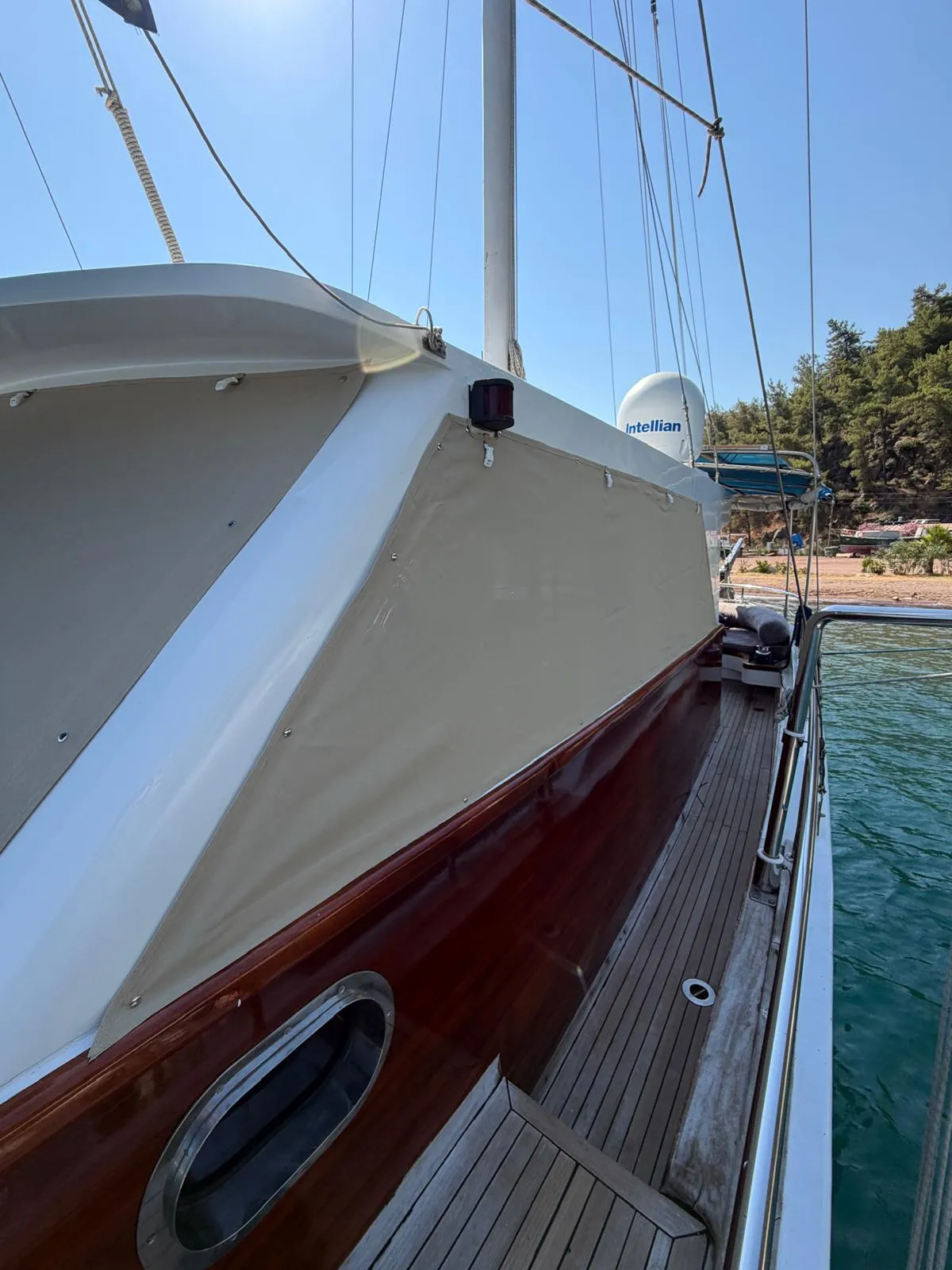
Edge and attachment details of a light panel fitted over the boat’s side windows. The position and edge fit of the shade surface can be seen on the boat.
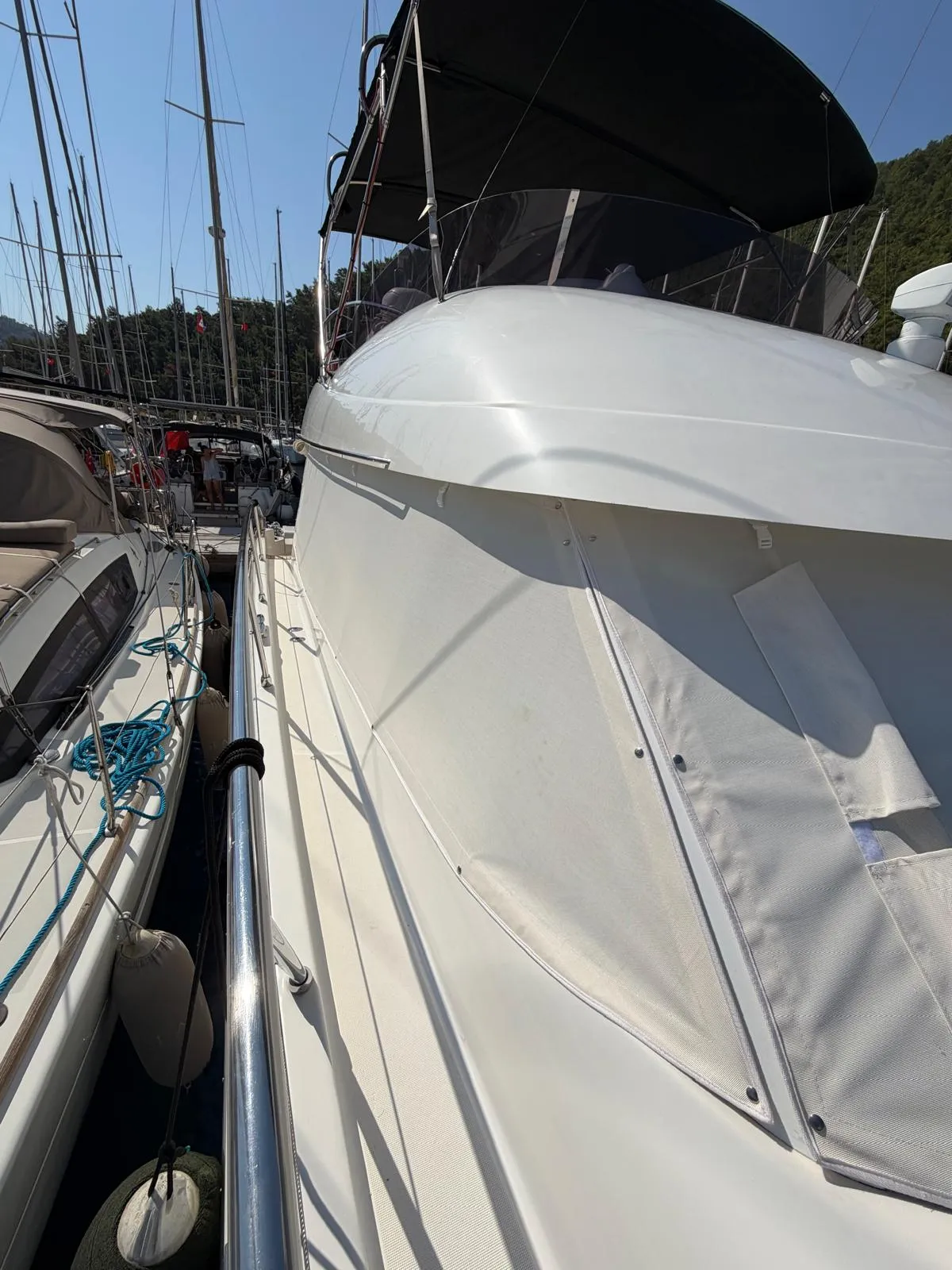
Light shading following the windows of a curved motorboat superstructure. The position and edge fit of the shade surface can be seen on the boat.
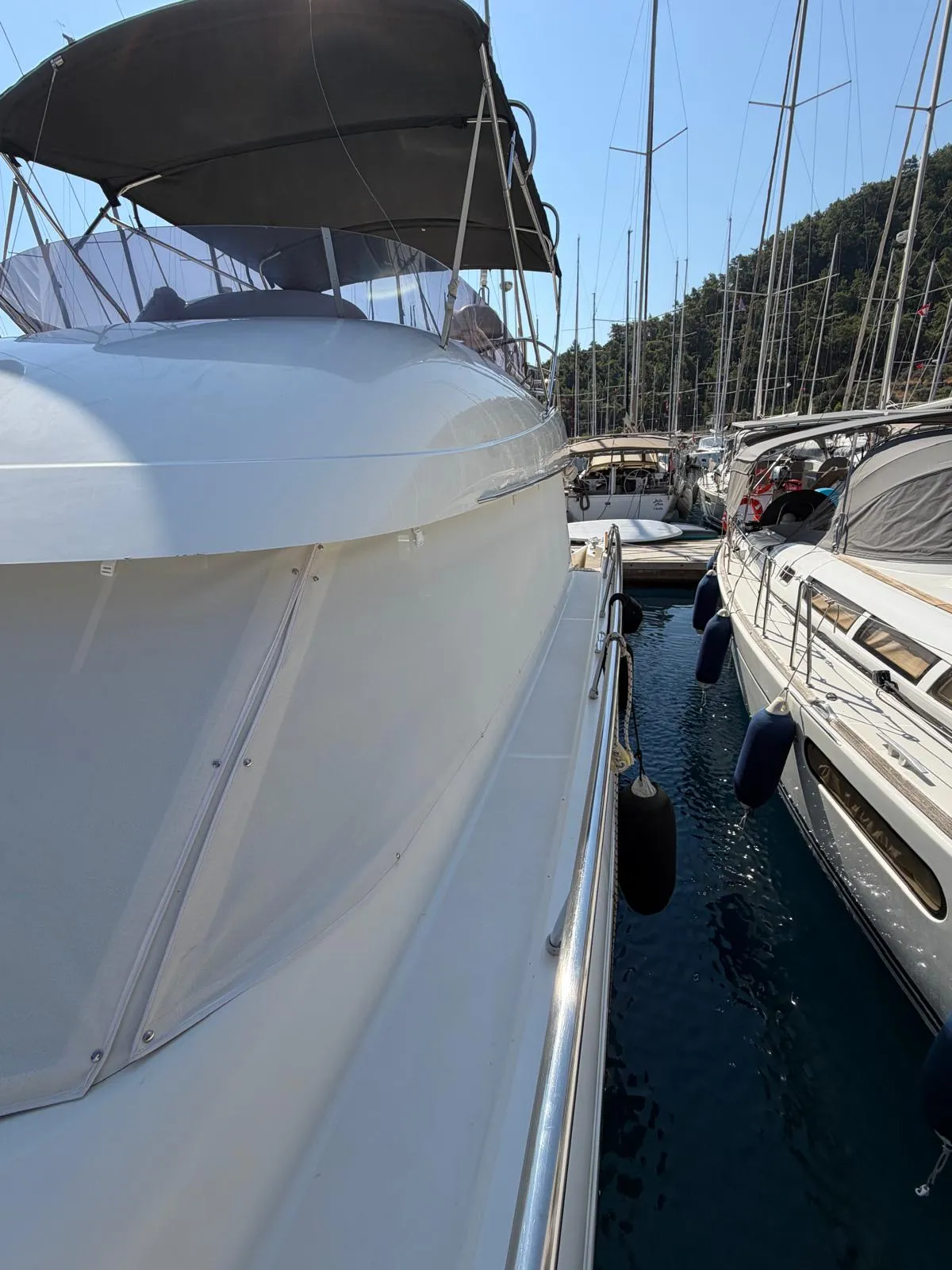
The corner shape of a light windscreen shade wrapping around the superstructure. The position and edge fit of the shade surface can be seen on the boat.
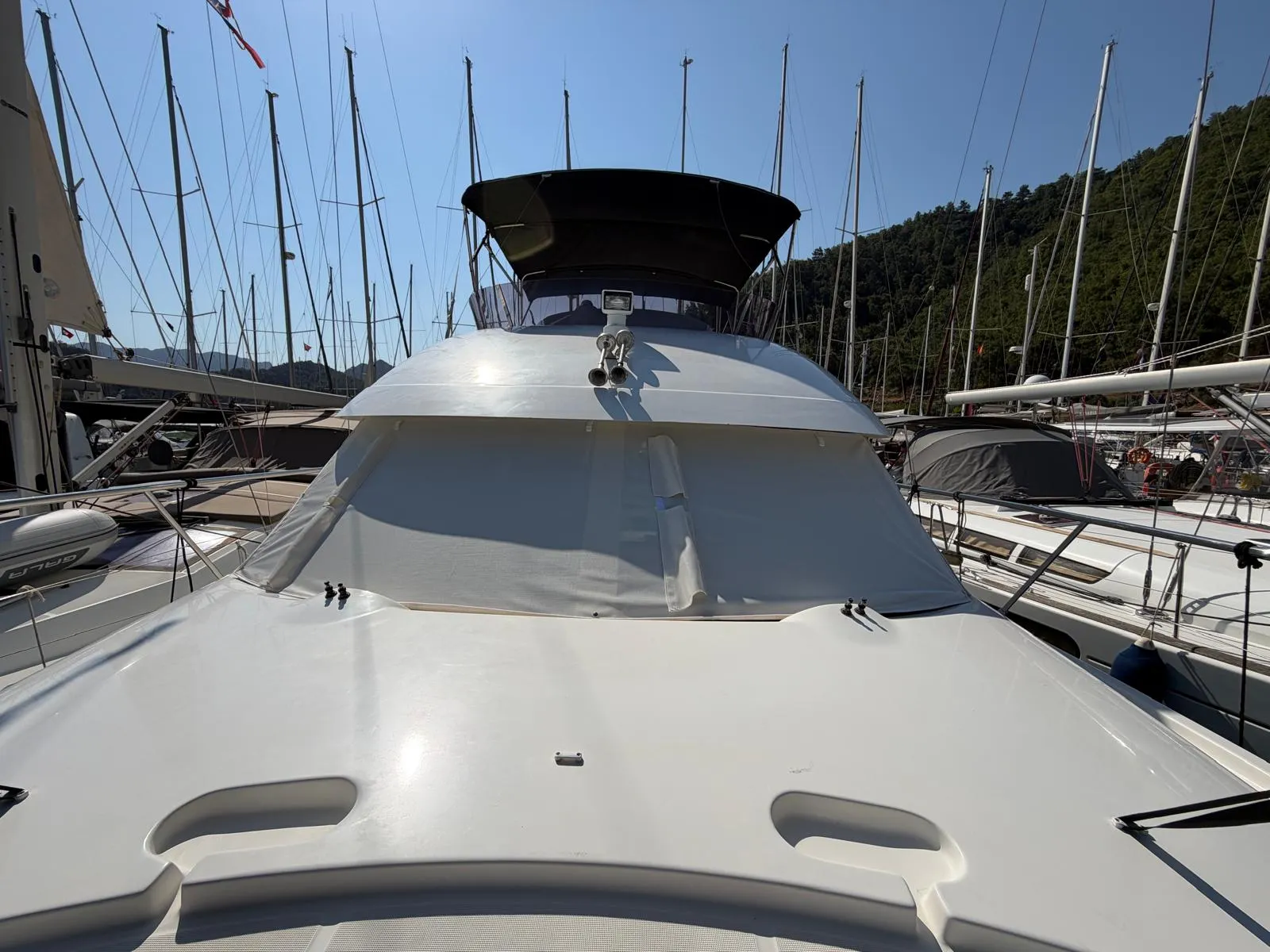
A bow view of light shading covering the forward window area. The position and edge fit of the shade surface can be seen on the boat.
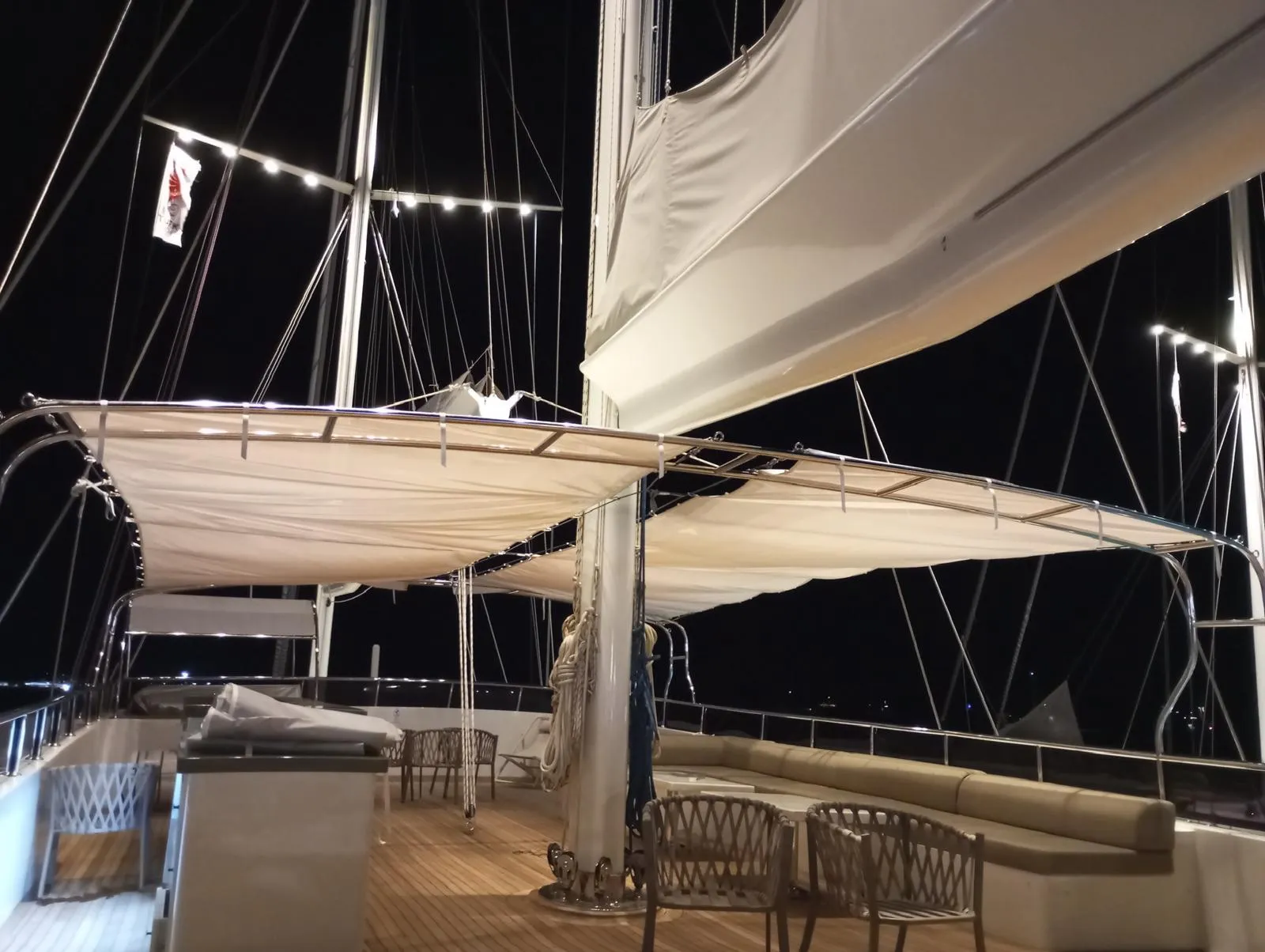
A light overhead shade arranged around the mast above a wooden deck. The position and edge fit of the shade surface can be seen on the boat.
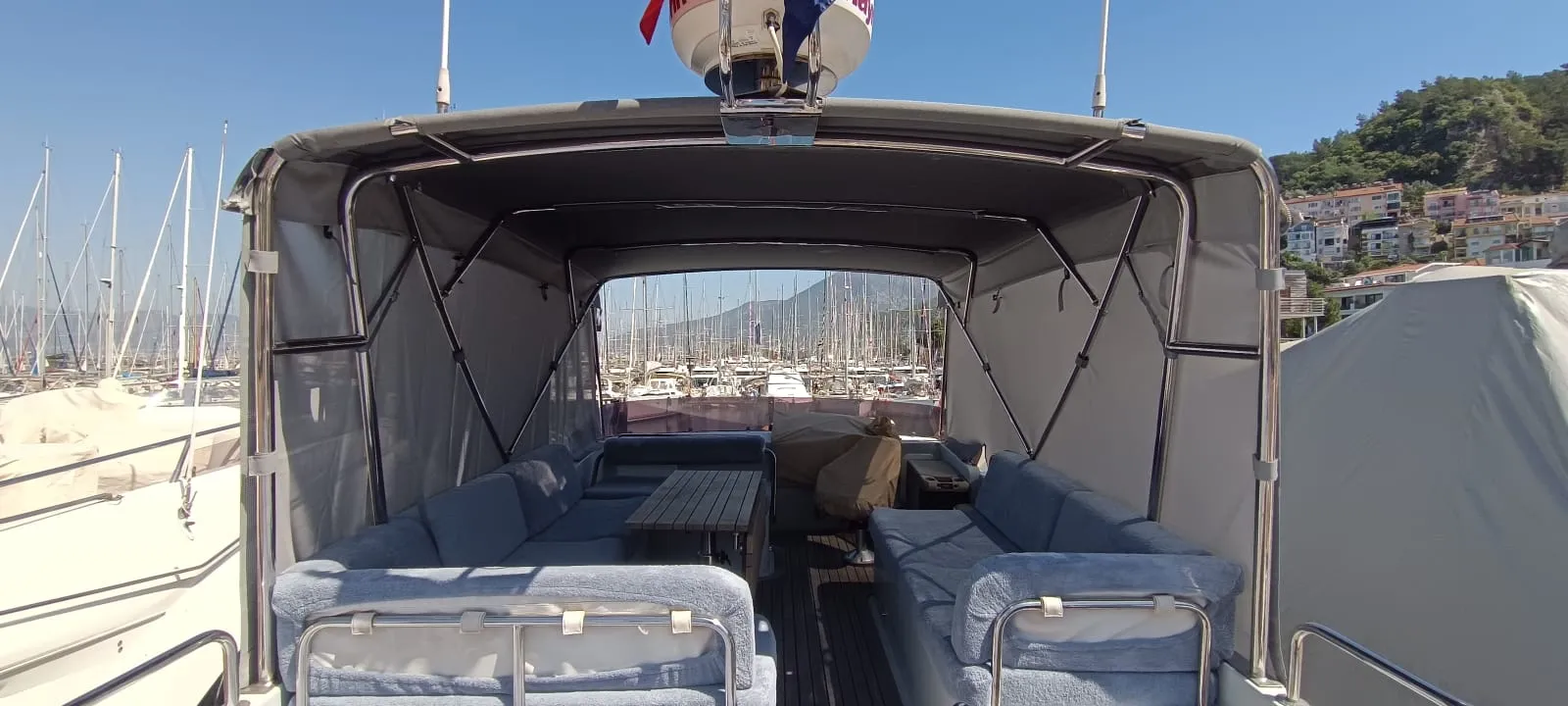
Mesh panels around the cockpit sides and light removable covers on the seating. The position and edge fit of the shade surface can be seen on the boat.
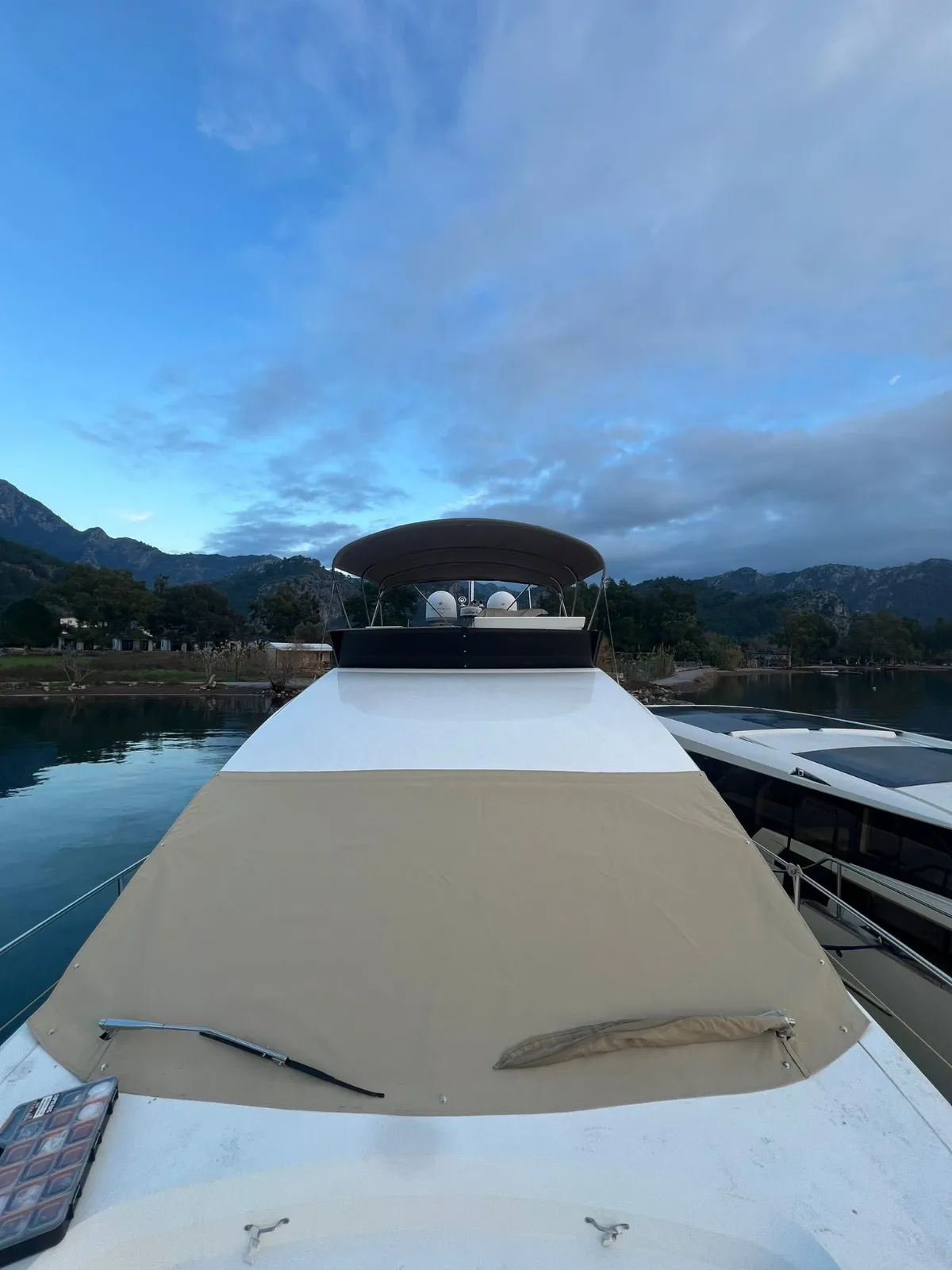
A light exterior shade fitted across a motor yacht’s broad forward windows. The position and edge fit of the shade surface can be seen on the boat.
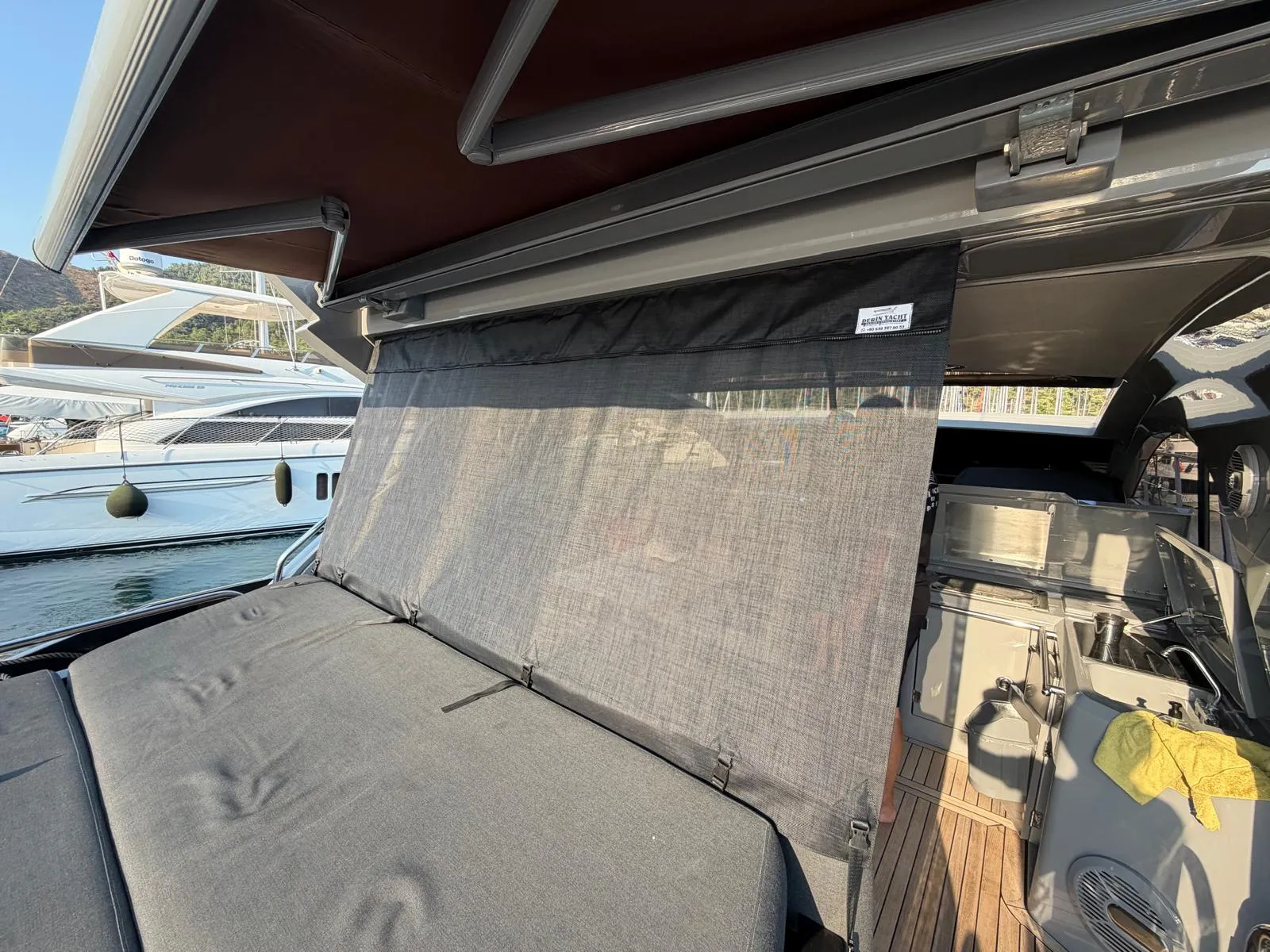
A grey mesh panel extending down in front of seating beneath a wooden superstructure. The position and edge fit of the shade surface can be seen on the boat.
APPLICATION PHOTOGRAPHS
Explore actual work in the other categories or read more about this service.
Explore service details ↗Mesh Sunshades
Mesh is not a rain cover. If a closed weather barrier is required, another fabric and arrangement should be considered.
No. Openness and performance vary by product. Refer to the selected material’s technical data for specific values.
YOUR NEXT CHAPTER